A love letter
The soul of Assam
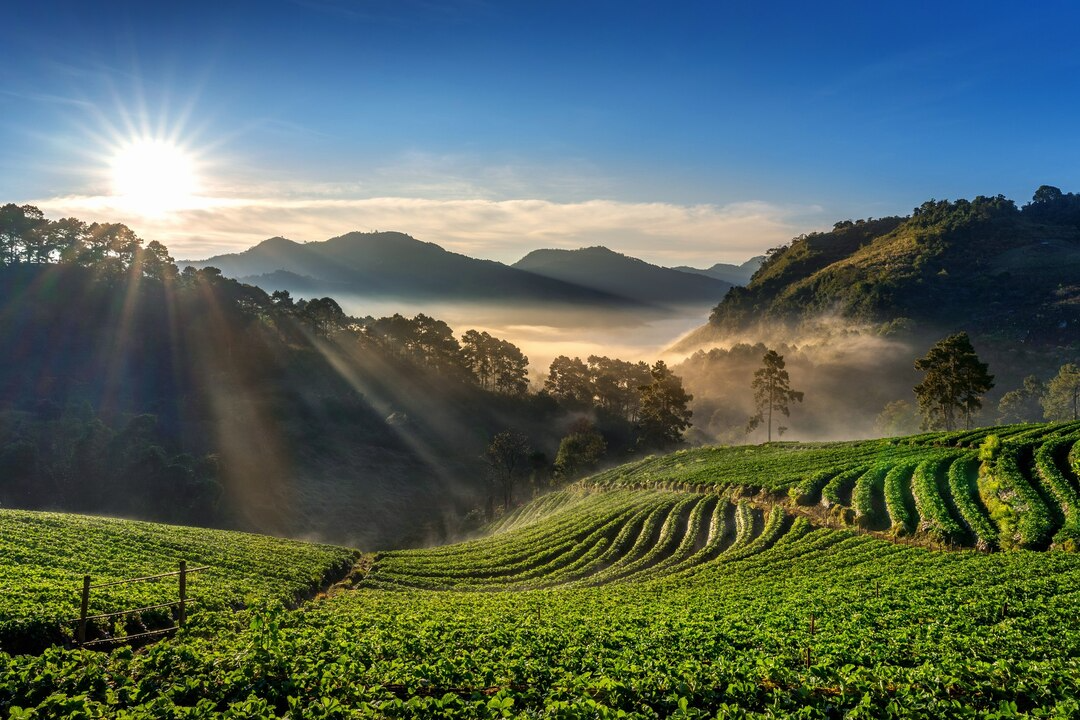
Where the Brahmaputra carves valleys, where mist clings to tea bushes at dawn, where every meal begins with rice and a song.
The Land
A valley shaped by water

Cradled between the Eastern Himalayas and the Patkai hills, Assam is a state stitched together by the Brahmaputra — one of the world's mightiest rivers. Its annual floods deposit a fine silt that has, for centuries, made this land one of the most fertile places on Earth. Two harvests of rice. Twelve months of tea. Forests thick with bamboo, wild elephants, and the one-horned rhinoceros of Kaziranga.
Eastern Himalayas
Brahmaputra basin
Sub-tropical climate
Chapter One
A leaf that travelled the world
200 Years of Tea
How Assam became the world's largest tea region
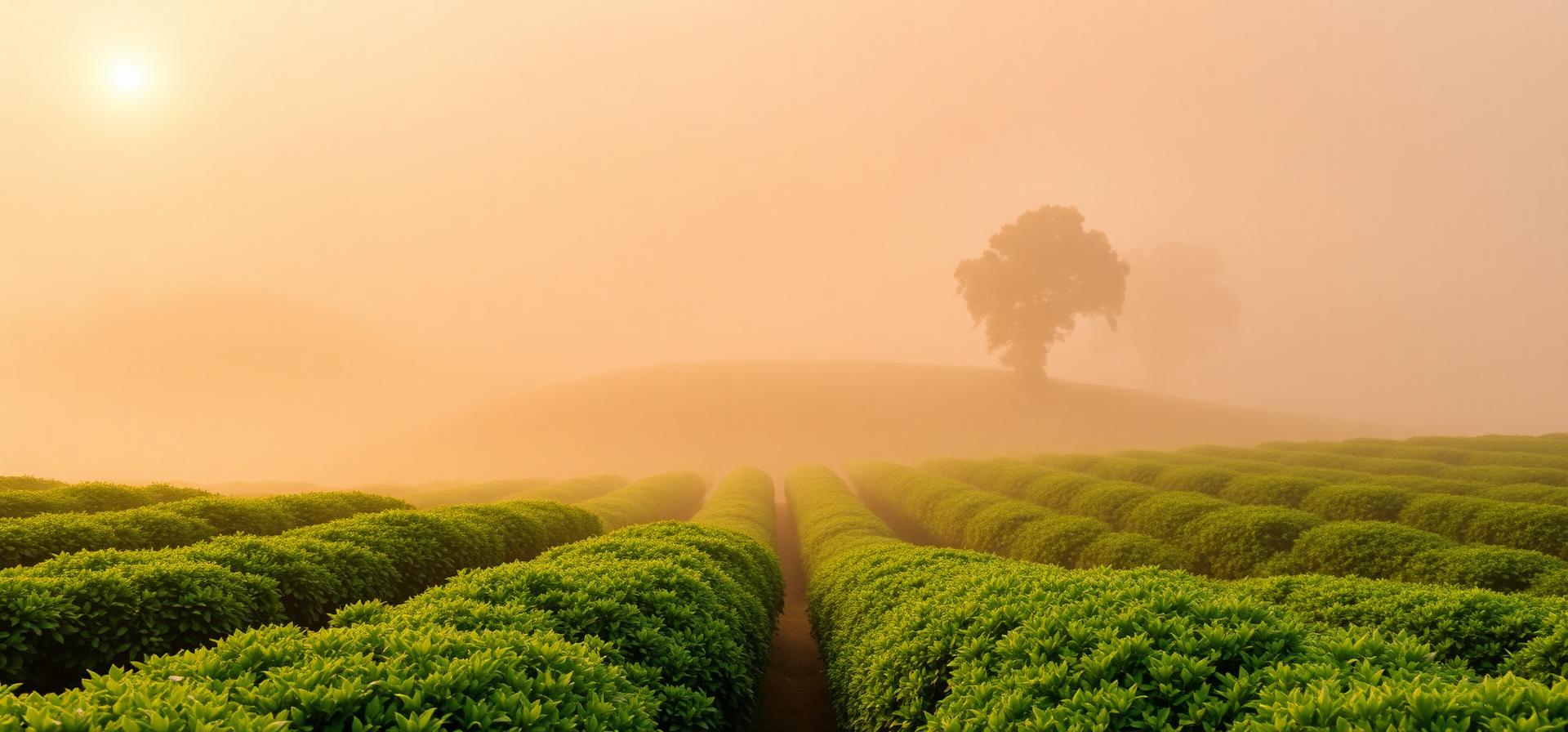
In 1823, a Scottish adventurer named Robert Bruce stumbled on the Singpho tribe brewing leaves from a wild plant. That plant — Camellia sinensis var. assamica — was native to the valley, robust and high-yielding, unlike the delicate Chinese variety the British had been trying to cultivate. By 1838, the first Assam tea was shipped to London. Today, Assam produces more than 50% of India's tea and over half a million people work the gardens.
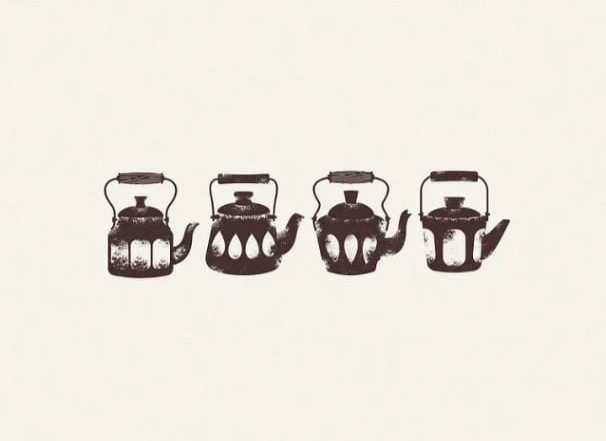
"Four kettles, four families, one fire." — The morning ritual in any Assam household begins with bell-metal kettles whistling on coal stoves.
Orthodox
Whole-leaf, hand-rolled, multiple infusions. Honeyed, malty, complex — the connoisseur's pour.
CTC
Crush-Tear-Curl. Tiny pellets that brew strong and dark in seconds. The backbone of every Indian chai.
Green
Unoxidised, hand-fired. Younger leaves, brighter cup, grassy notes — a quieter side of Assam.
Second Flush
Picked in May–June. The famed 'tippy' golden flush — sweet, muscatel, the season's prize.
The Rice Bowl
Bora, Joha, Aijung — the heirlooms
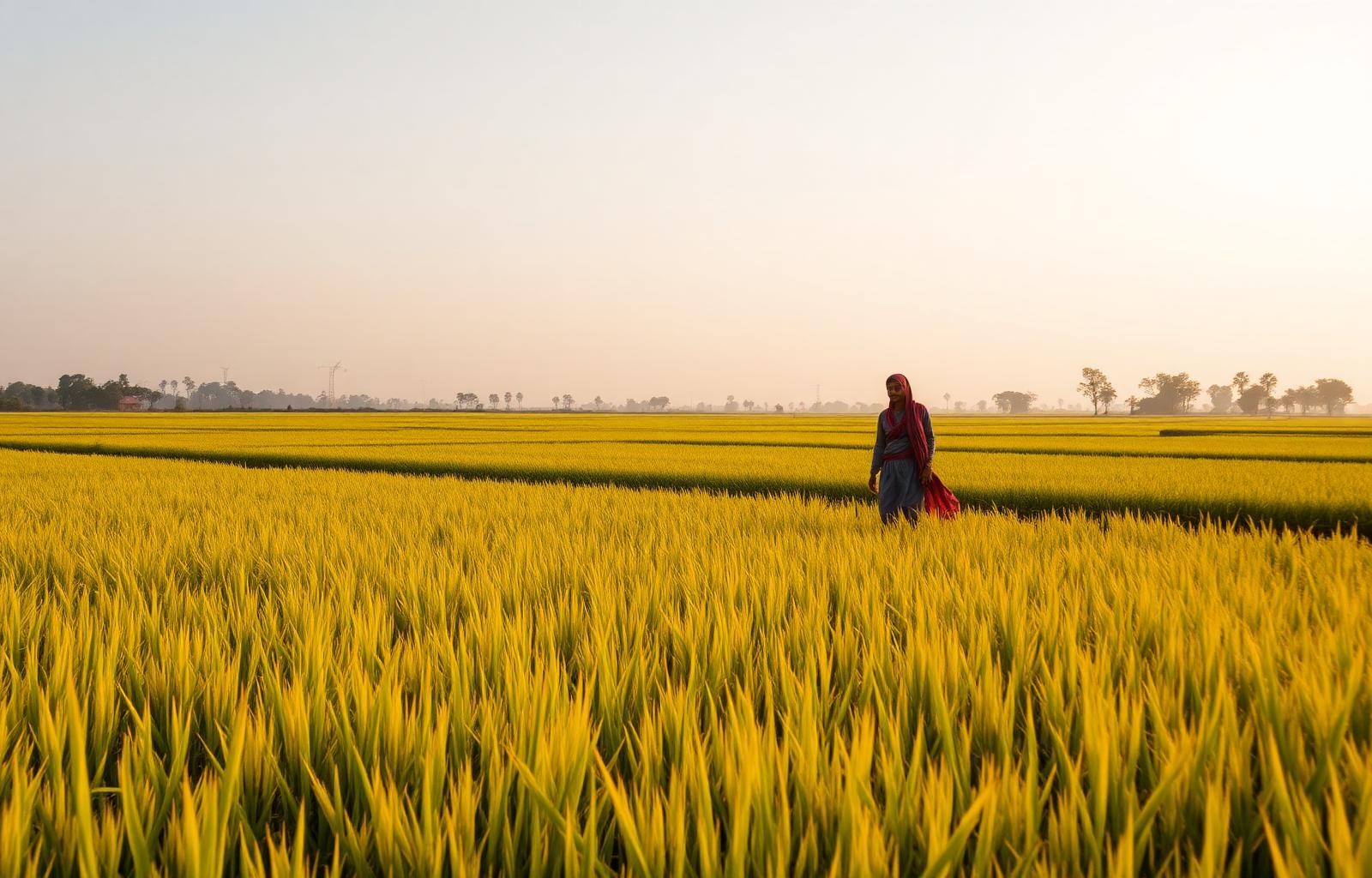
Assam is home to over 200 indigenous rice varieties — many of them grown nowhere else. Bora is the sticky rice of celebration: pounded into Pithas for Bihu, steamed in banana leaf, sweetened with jaggery and coconut. Joha is the aromatic pearl — short-grained, pandan-scented — Assam's quiet rival to basmati. Then there is Komal Chaul, "soft rice" that needs no cooking: soak it in water, eat it with curd and jaggery.
Every Delicha rice variant is sourced from smallholder farmers in upper Assam who still grow these varieties the traditional way — no hybrid seed, no chemical wash.
Three times a year
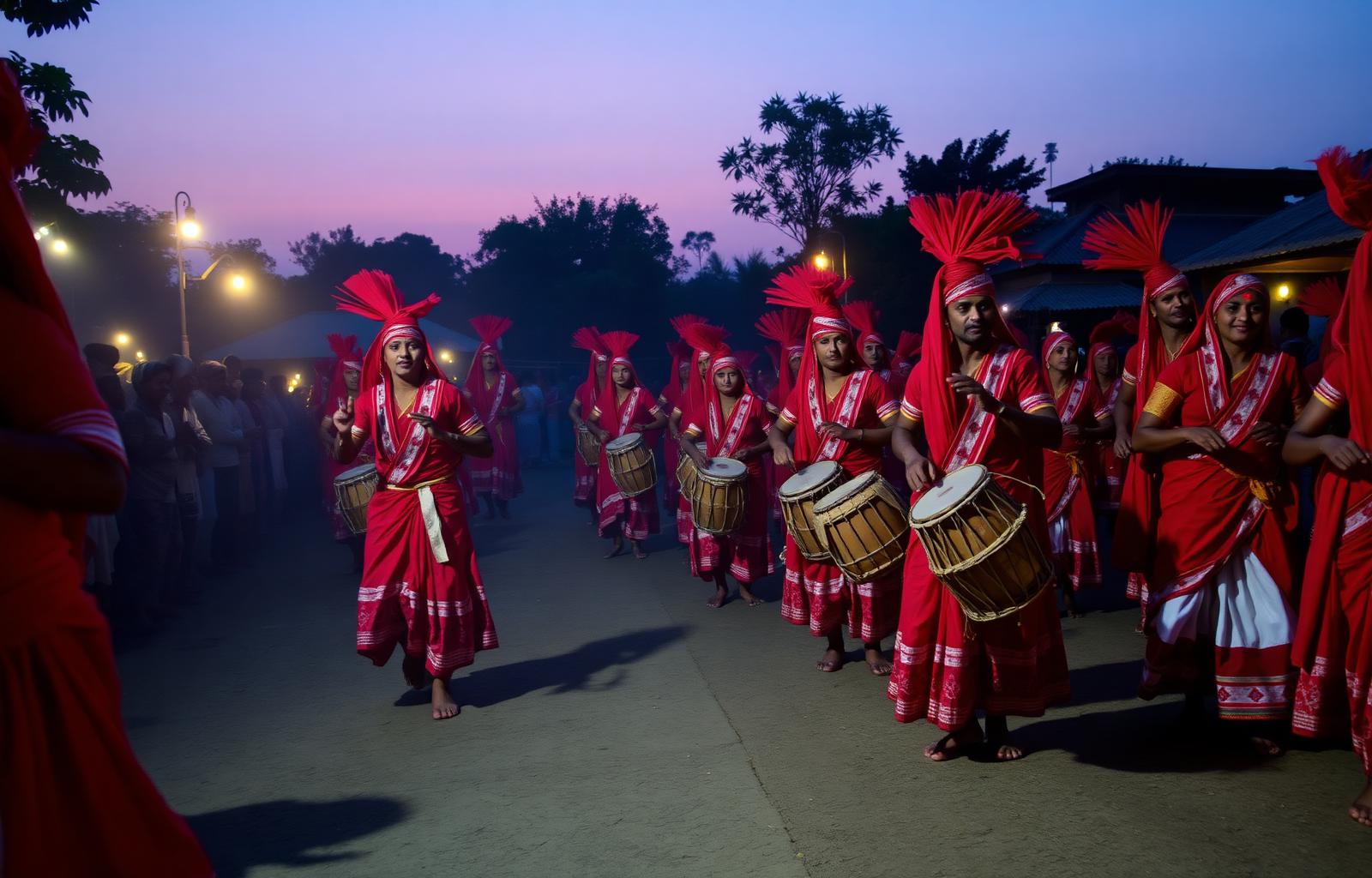
Bihu — the heartbeat
April
Rongali Bihu
The New Year. Spring, dance, new clothes, gamosa scarves, husori troupes singing door to door.
October
Kati Bihu
The quiet one. Earthen lamps lit in fields to ward off pests. A prayer for the harvest to come.
January
Magh Bihu
The feast. Bonfires, buffalo fights, and tables groaning with Pithas, Laru, fish, and meat. Harvest done.
Bihu dance & dhol
Magh, Bohag, Kati
Gamosa weaving
Pithas & Laru
The people are the place
Assam is home to over 200 ethnic communities — Bodos, Mishings, Karbis, Tea Tribes, Ahoms. Each speaks a language; each weaves a different gamosa. What binds them is the river, the rice, the cup of red tea passed to every guest who crosses the threshold.
Delicha exists to send a little of that hospitality, that earth, that song — anywhere in India you happen to be.